Historic beginnings

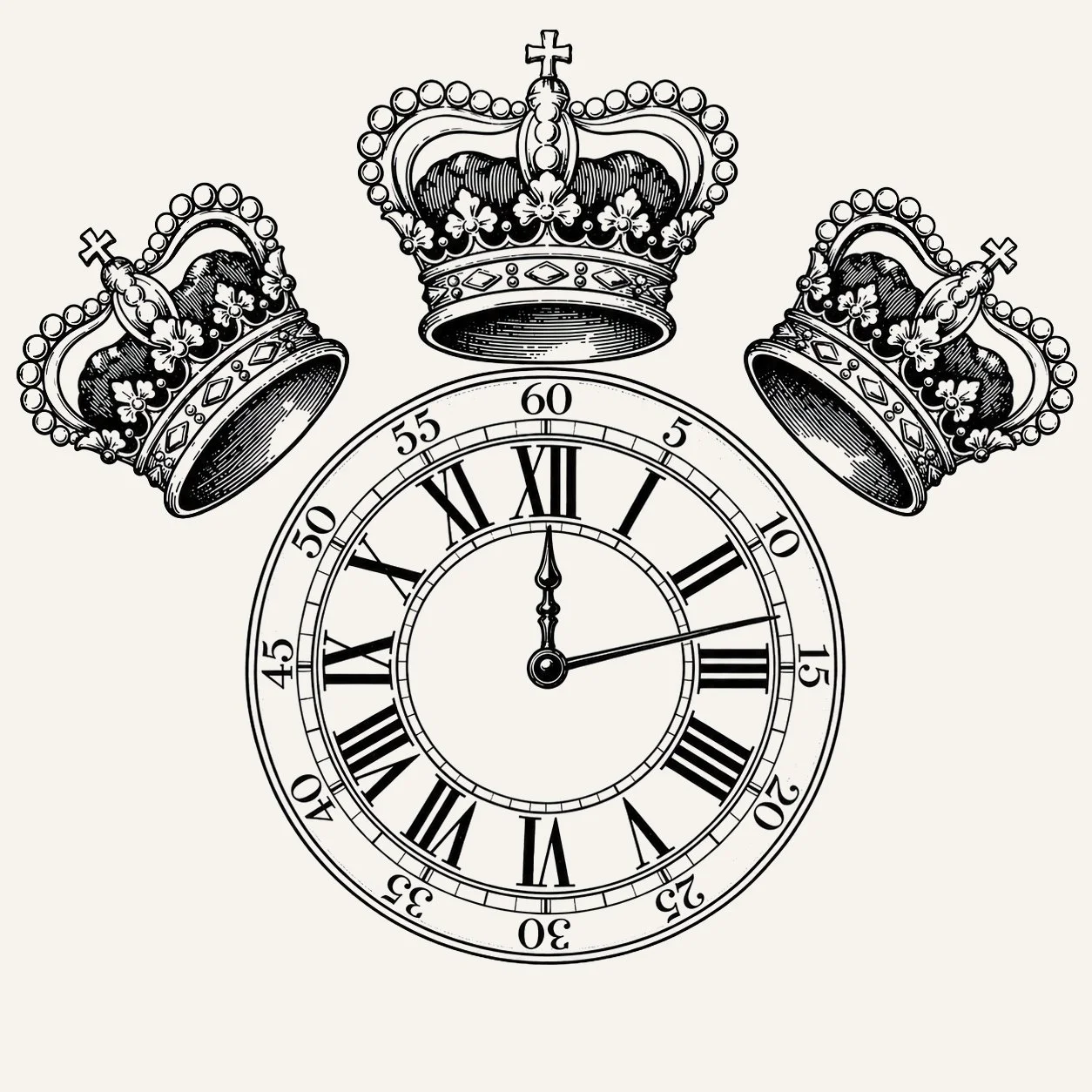
The story of the Tsuba 1720 begins in eighteenth-century London, with a pocket watch by George Graham (1673–1751), one of the defining figures of English watchmaking.
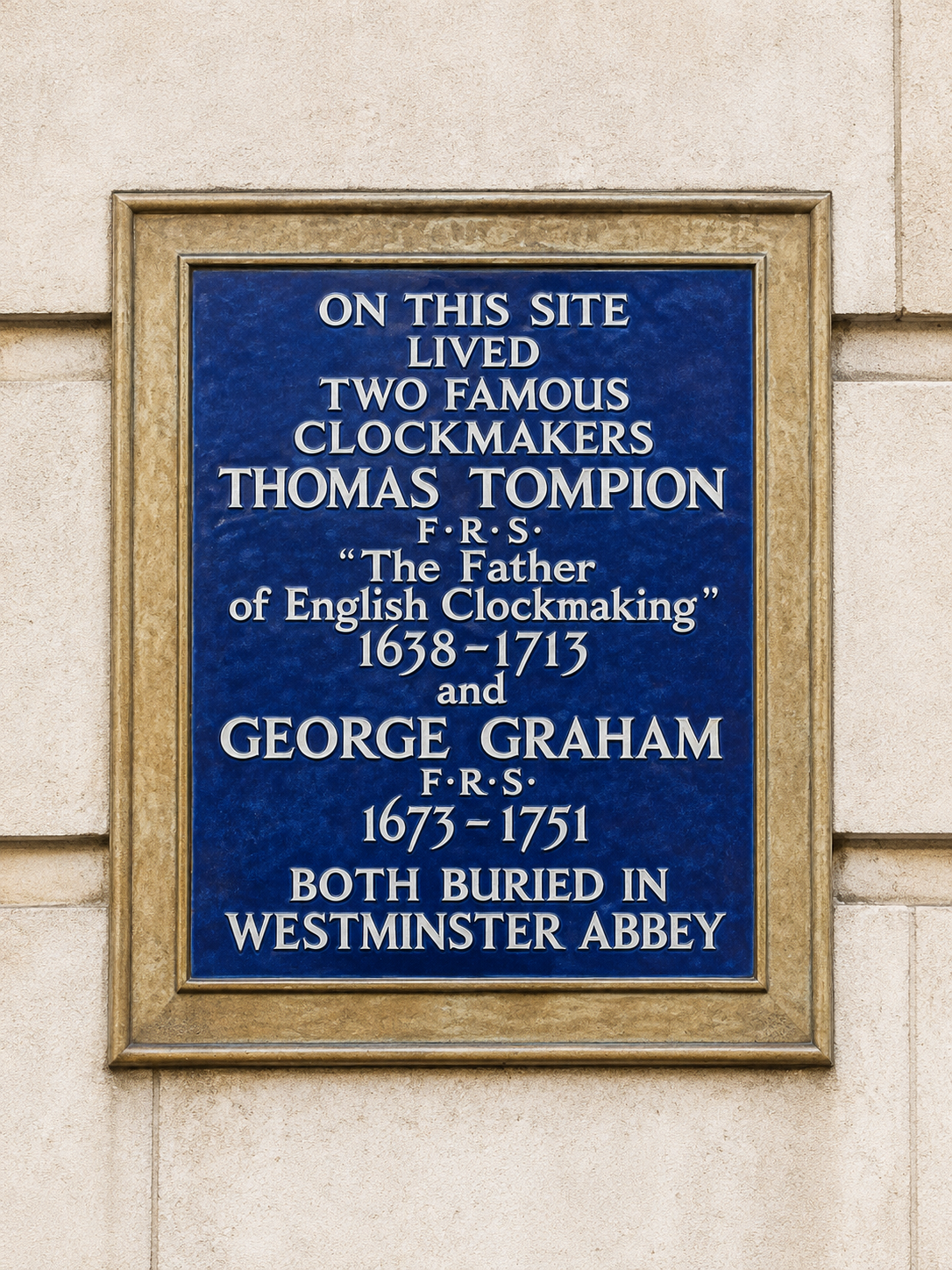
Partner and successor to Thomas Tompion, Graham worked during an extraordinary period of horological invention. His innovations in escapements and precision timekeeping helped advance the measurement of time itself.
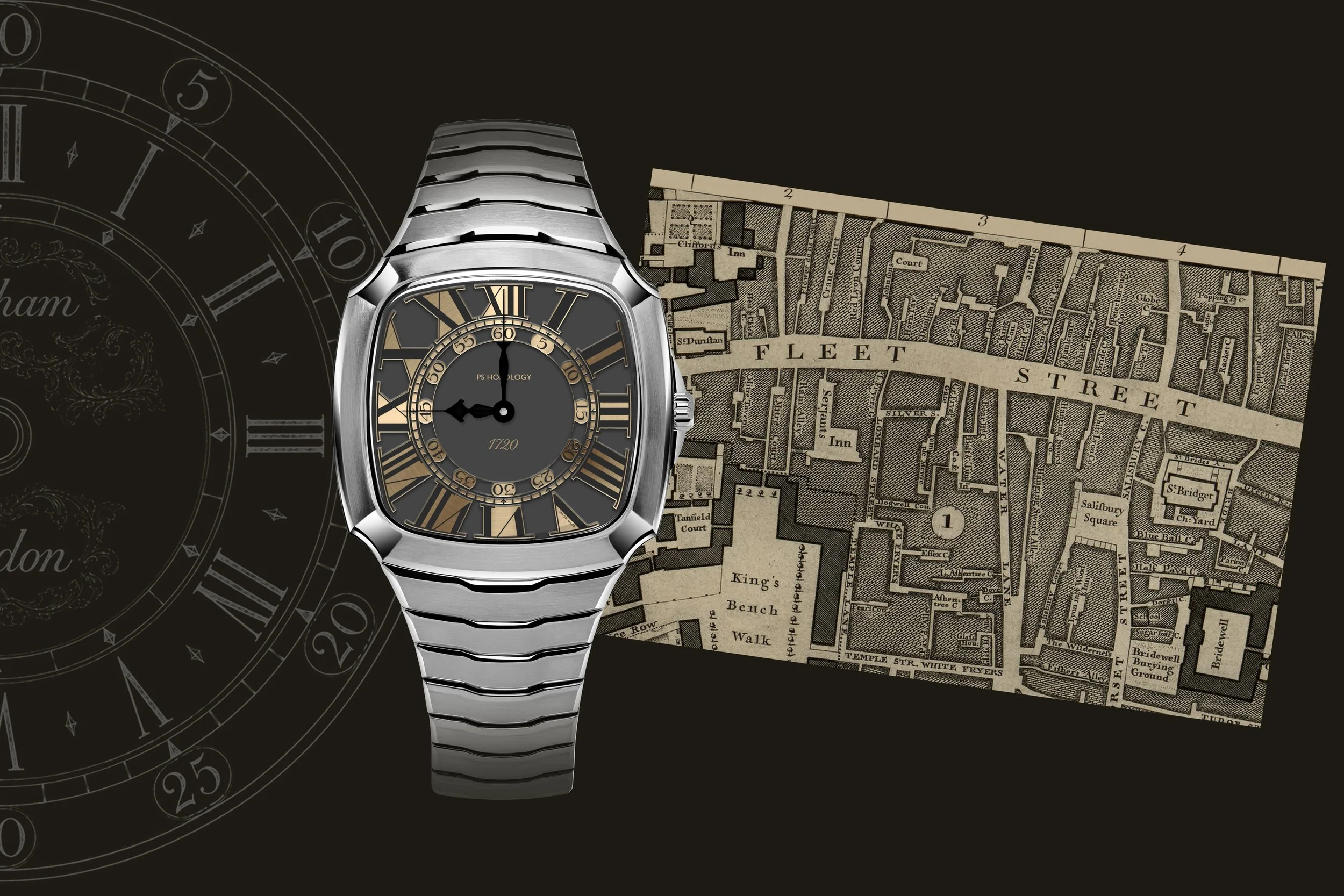
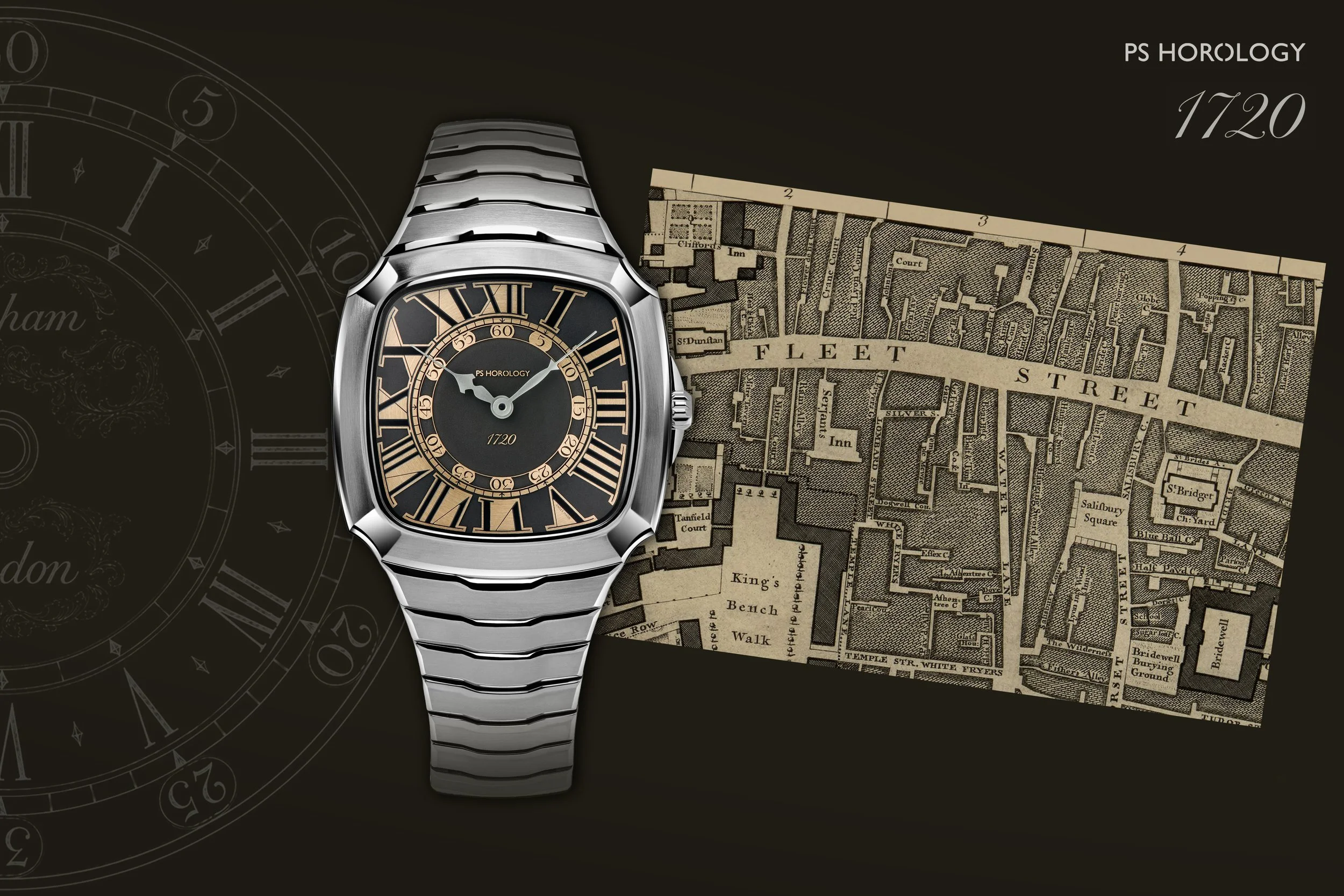
Graham worked from his workshop on Fleet Street, the Dial and Three Crowns, a place that alongside one of his pocket watches would, three centuries later, become the the inspiration for the first watch designed collaboratively by Peter Speake and Farhana Safa at PS Horology.

A chapter in time
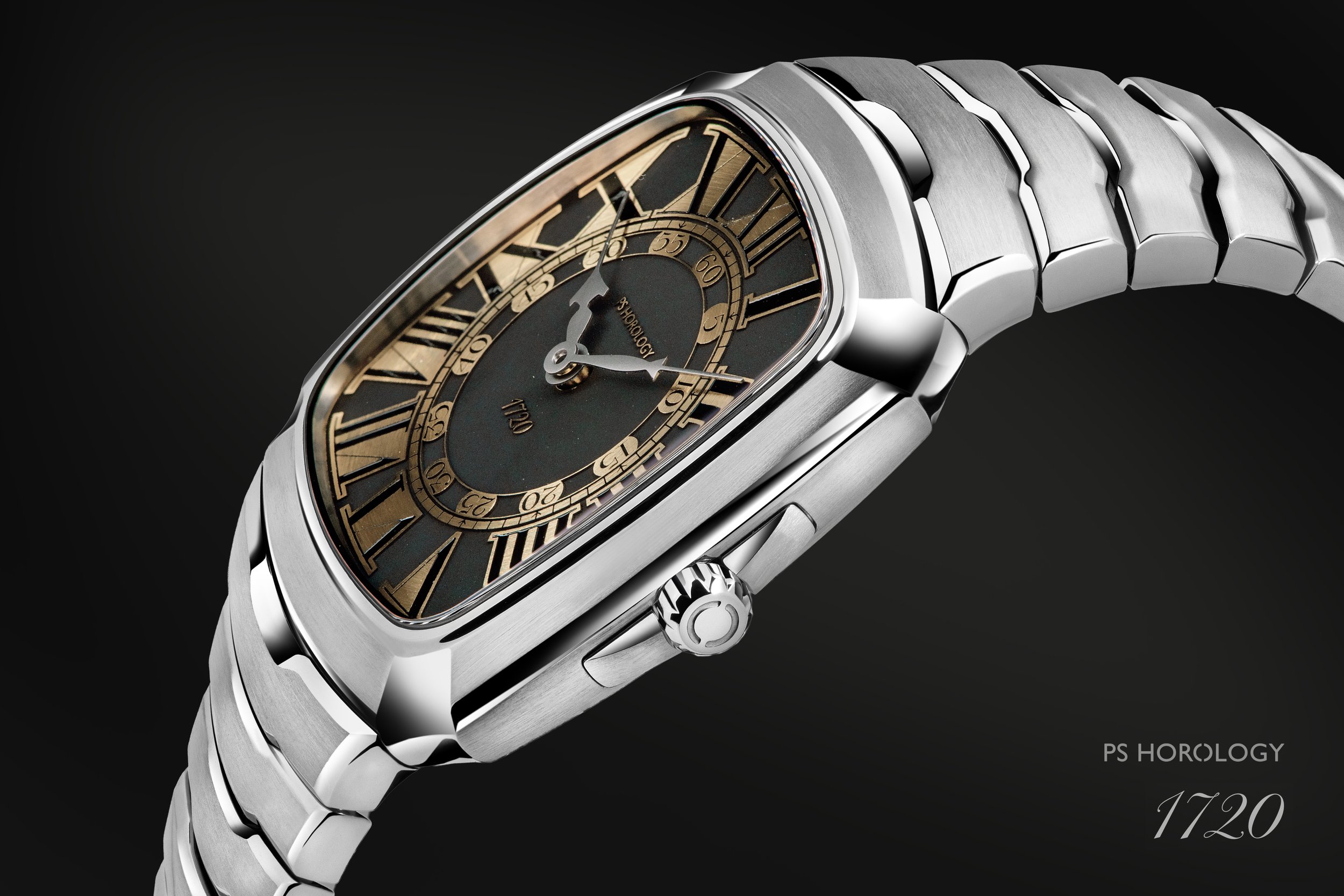
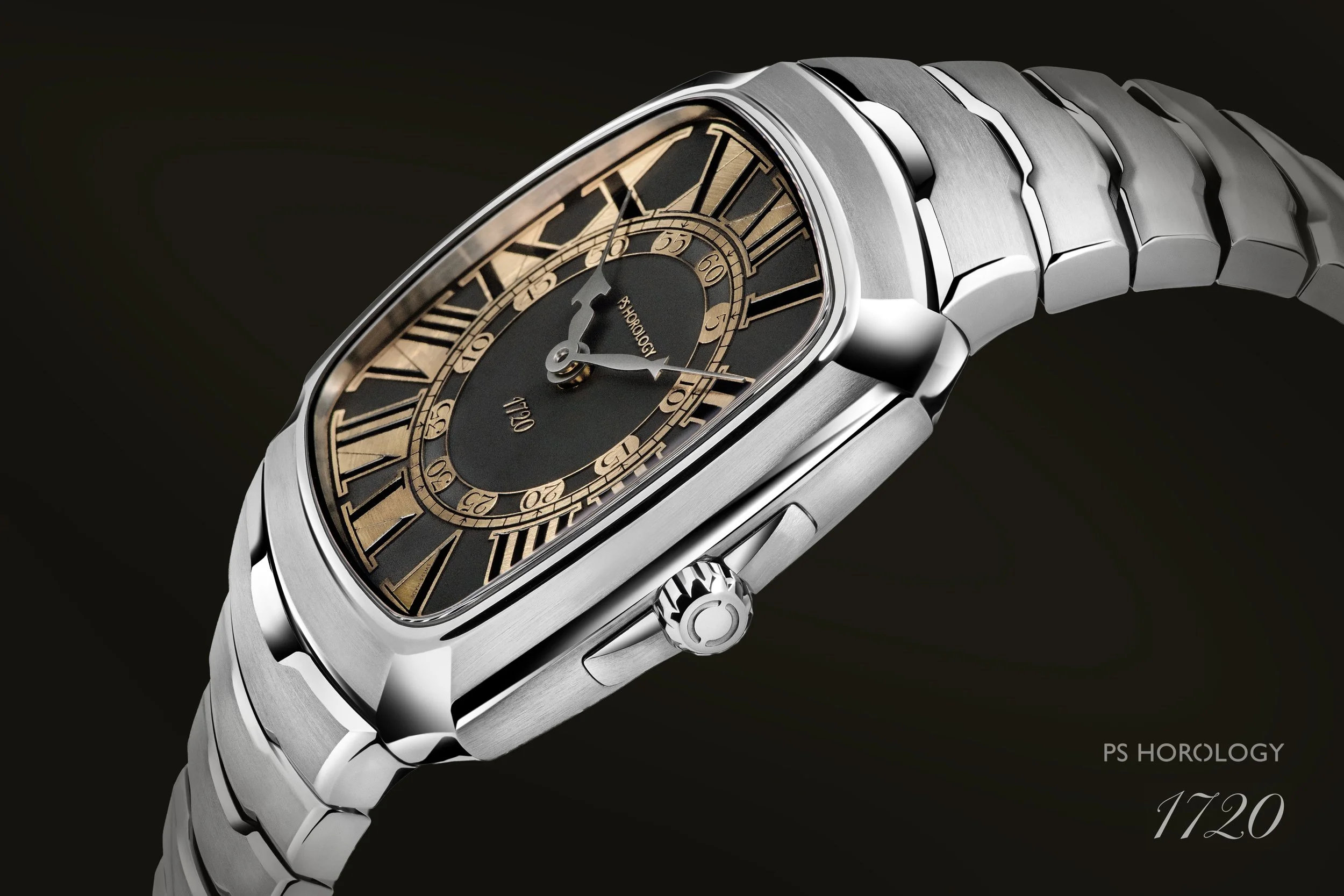
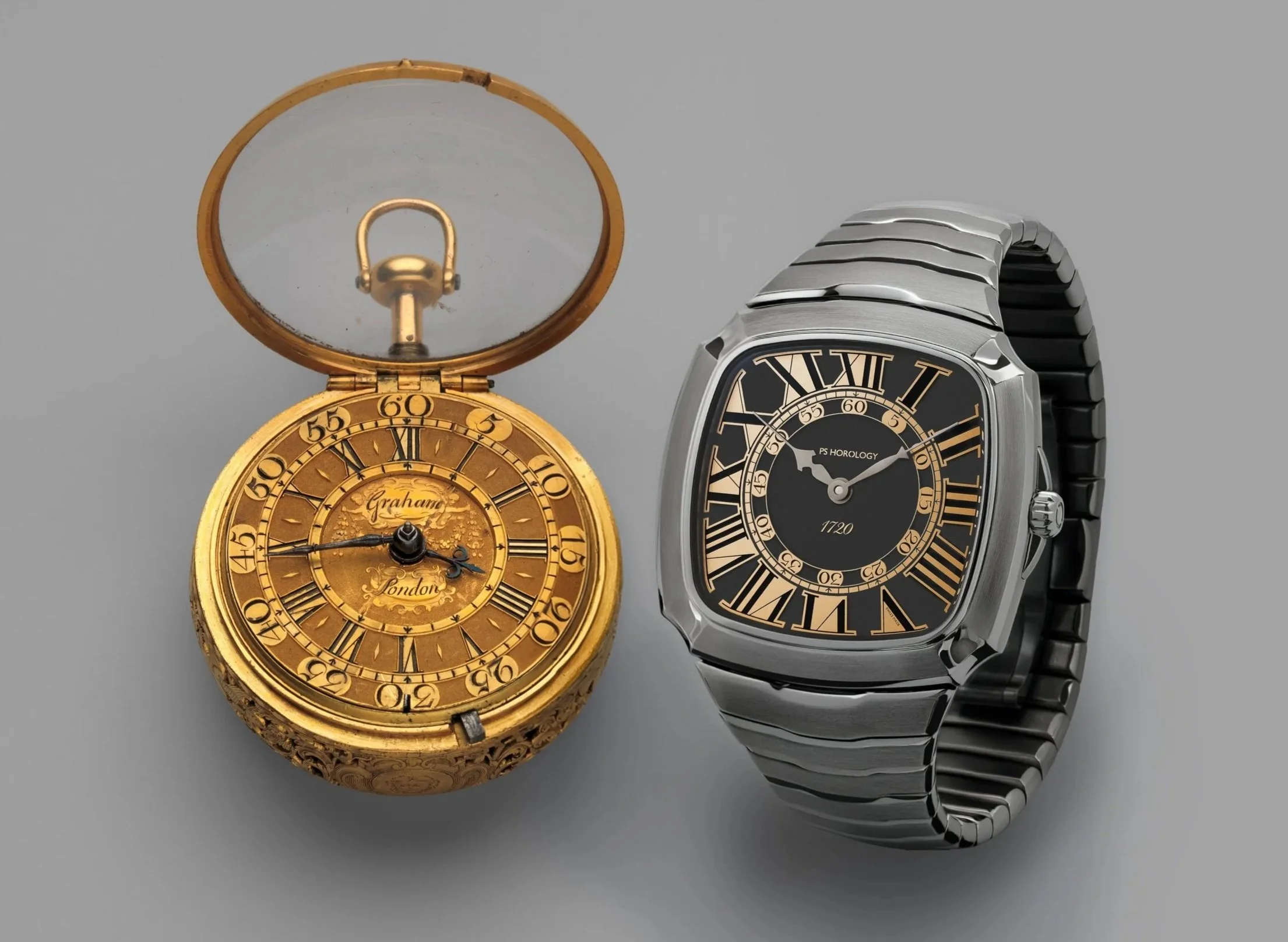
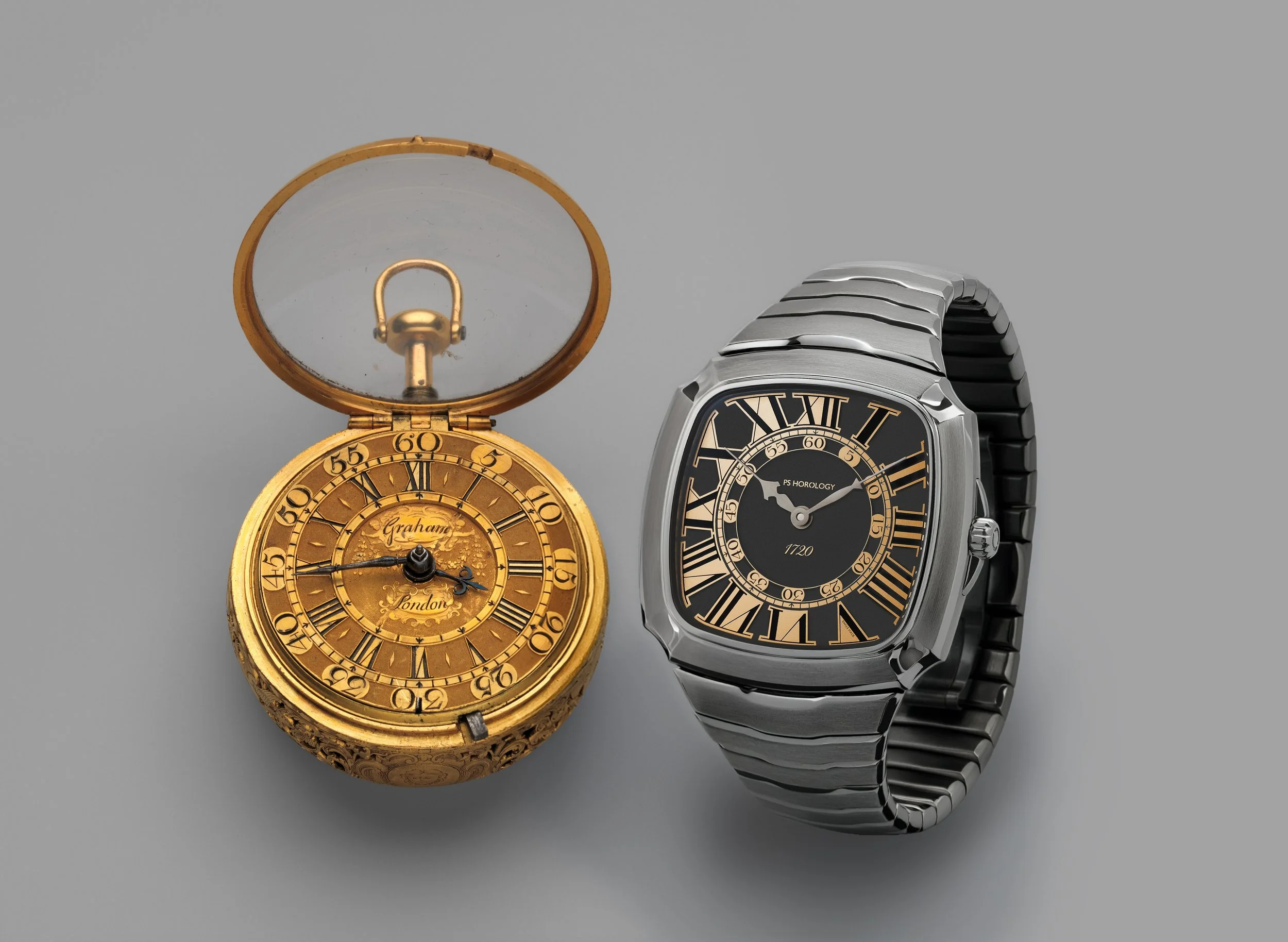
Completed in 1720, the Graham pair-case pocket watch, currently held at the Metropolitan Museum of Art in New York, features a boldly graphic double chapter ring and champlevé dial, with black enamel Roman numerals, minute divisions, and traditional blued-steel beetle-and-poker hands.
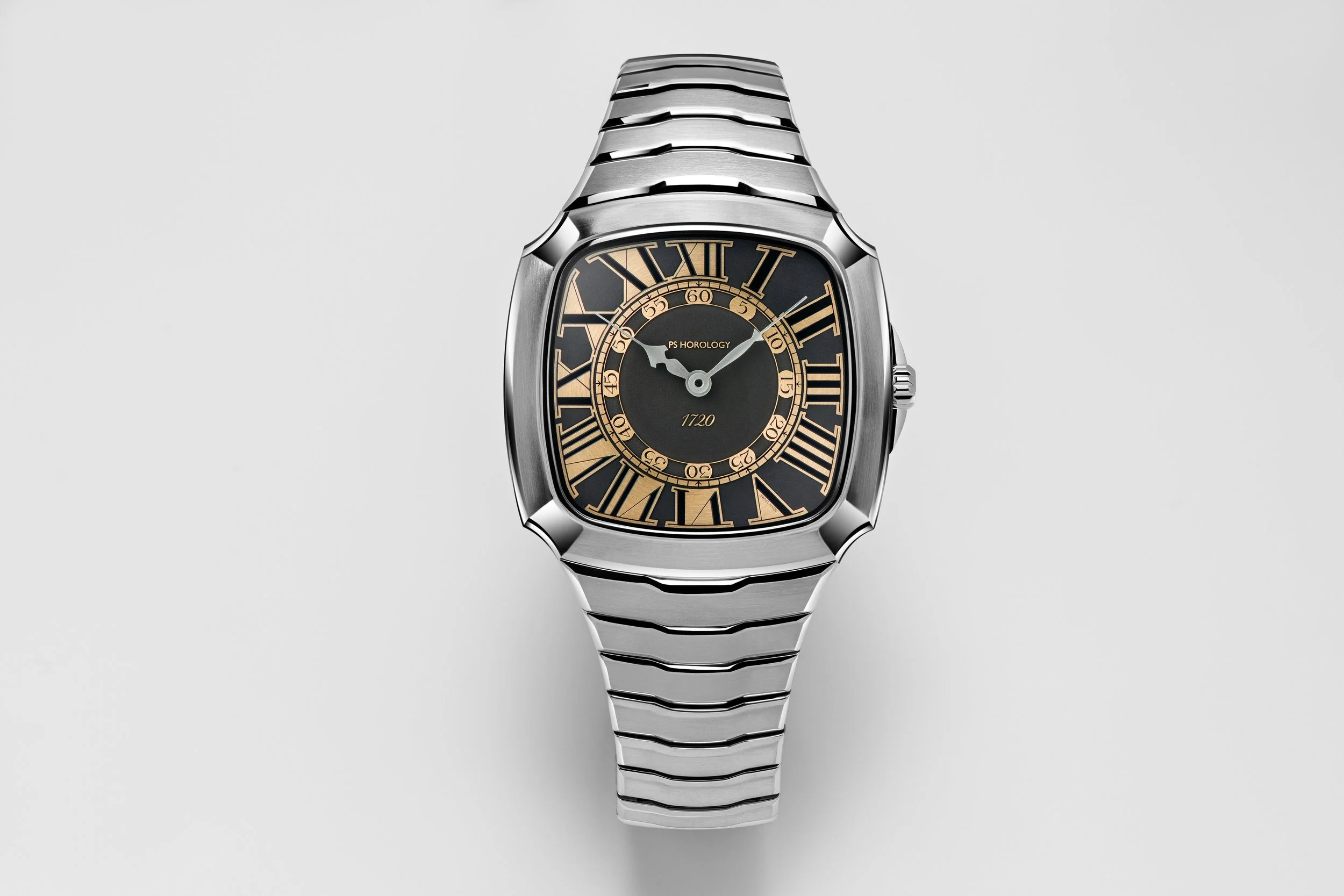
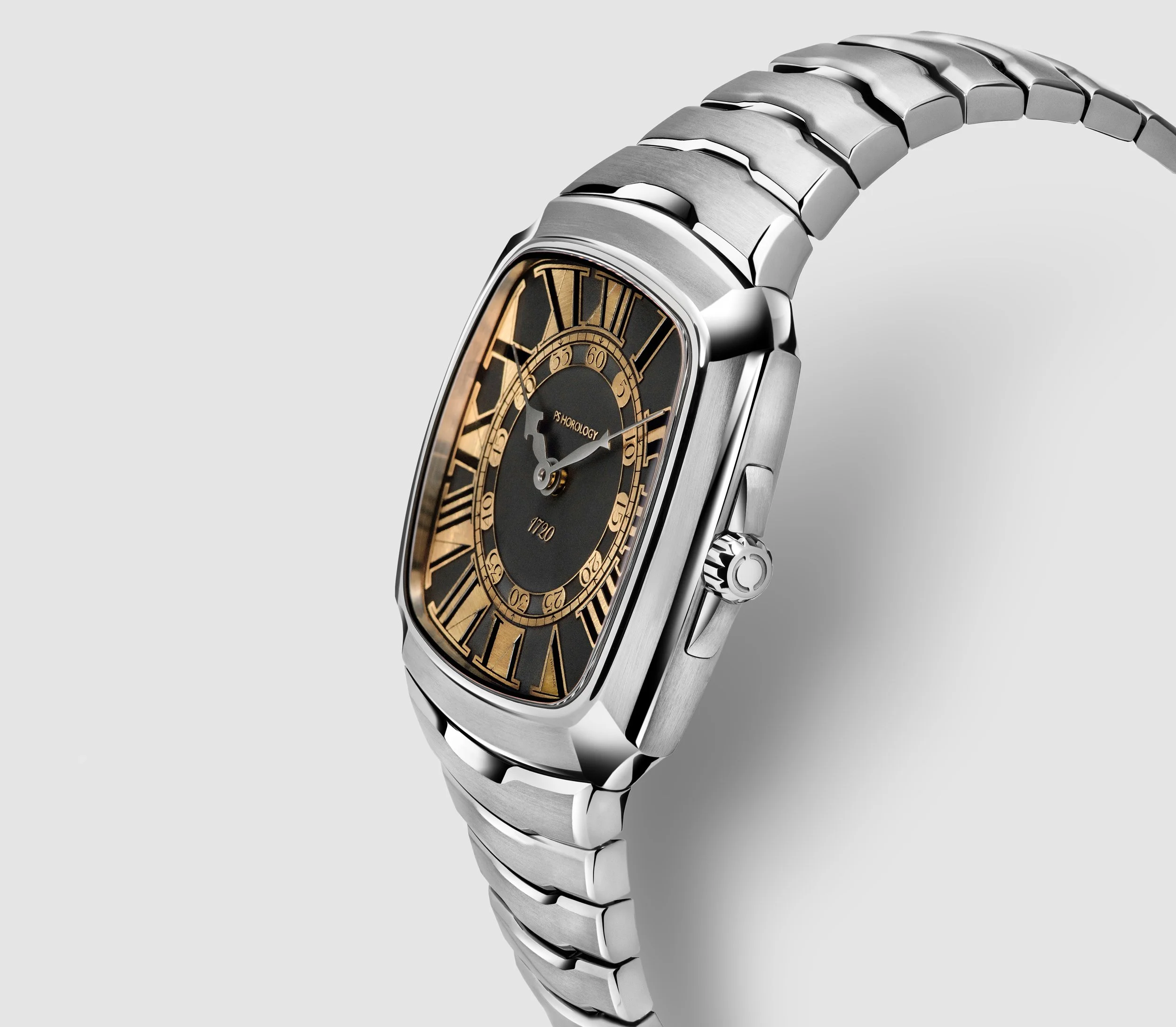
Reinterpreted to work within the square geometry of the Tsuba, the chapter rings were reversed placing the hours outside and the minutes within, and contemporary methods of laser engraving, ceramic lacquering and hand polishing were used to replicate a similar interplay of depth and contrast found in the original dial.
Shifting hands
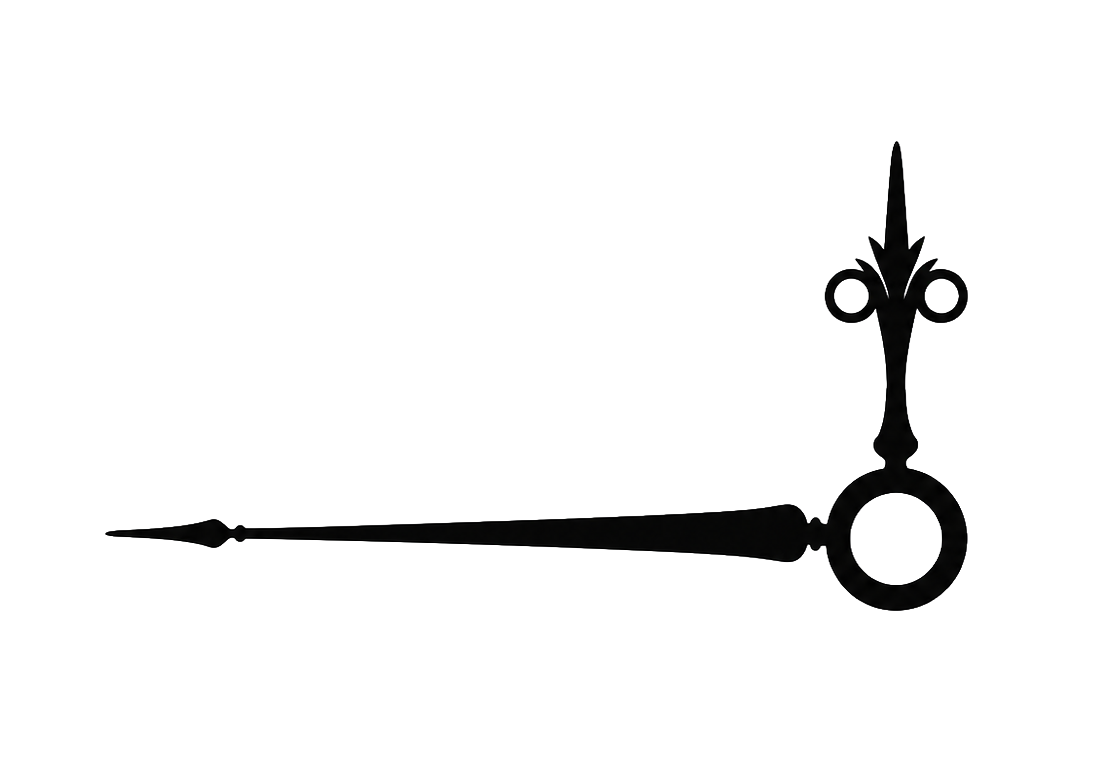
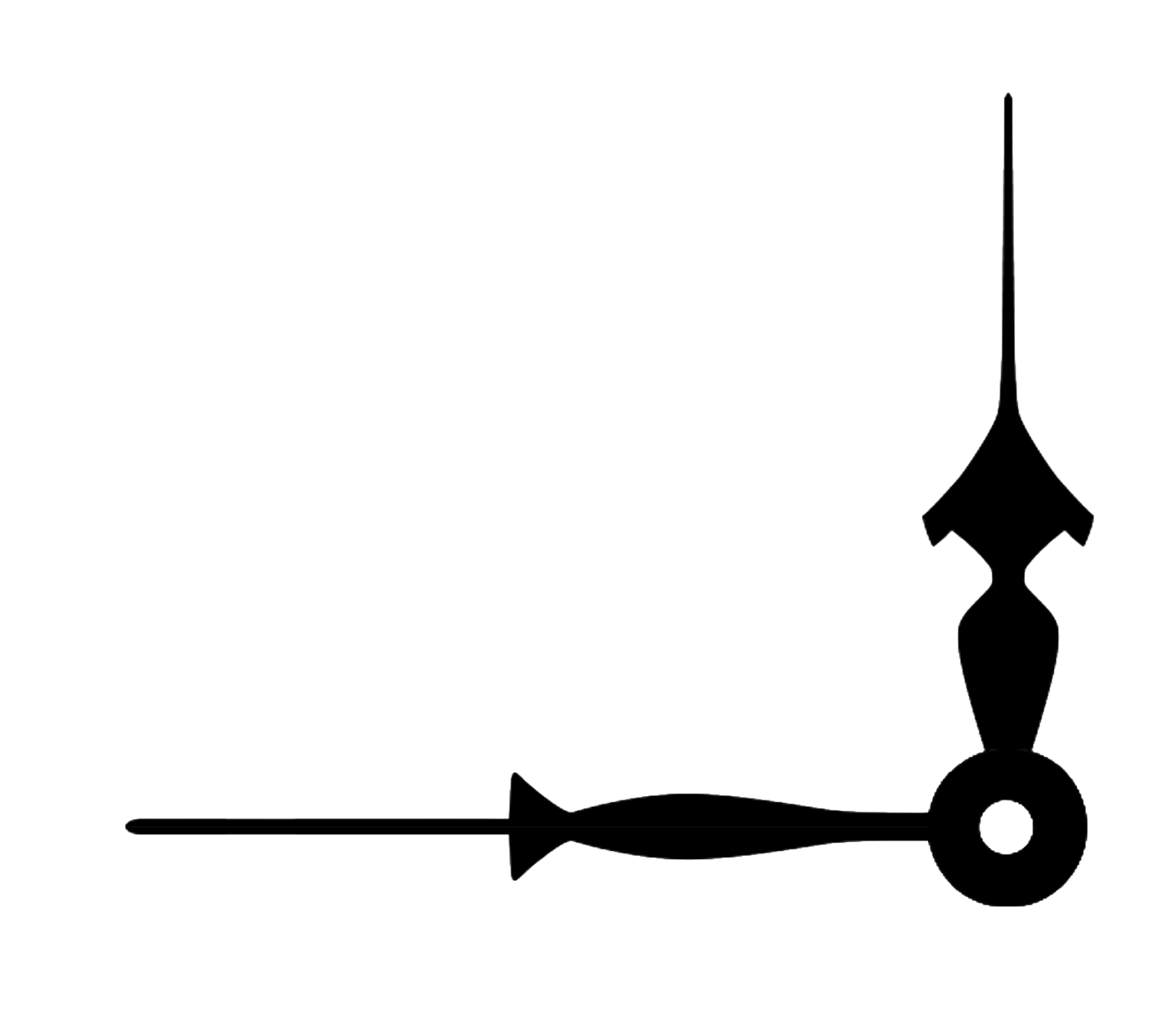
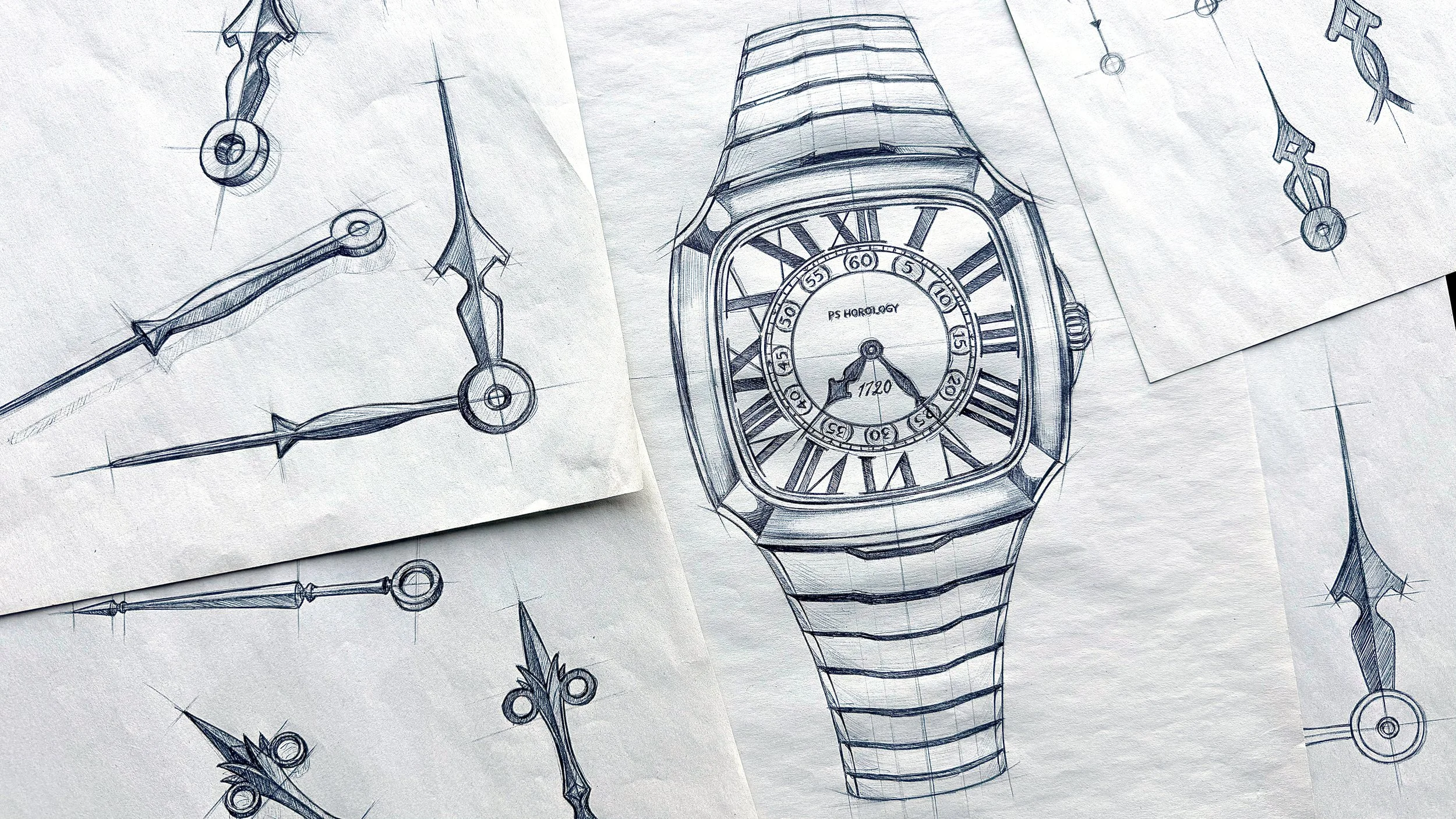
The reversal of the chapter rings necessitated a new beetle and poker hand design with a reimagined functionality, as the hands conceived centuries ago no longer communicated time intuitively- the traditionally shorter beetle hour hand now reached towards the minutes and the longer poker hand towards the hours.
With the new design, the hour hand retains the scale and character of the traditional beetle, while a slender needle extends beyond it to meet the outer hour chapter. The poker minute hand features a new shelf that hugs the inner minute chapter ring, creating an immediate visual relationship between hand and scale. This allows the minutes to be read with greater processing fluency, with the historic forms remaining recognisable but reworked to serve a new dial architecture.

A location to remember
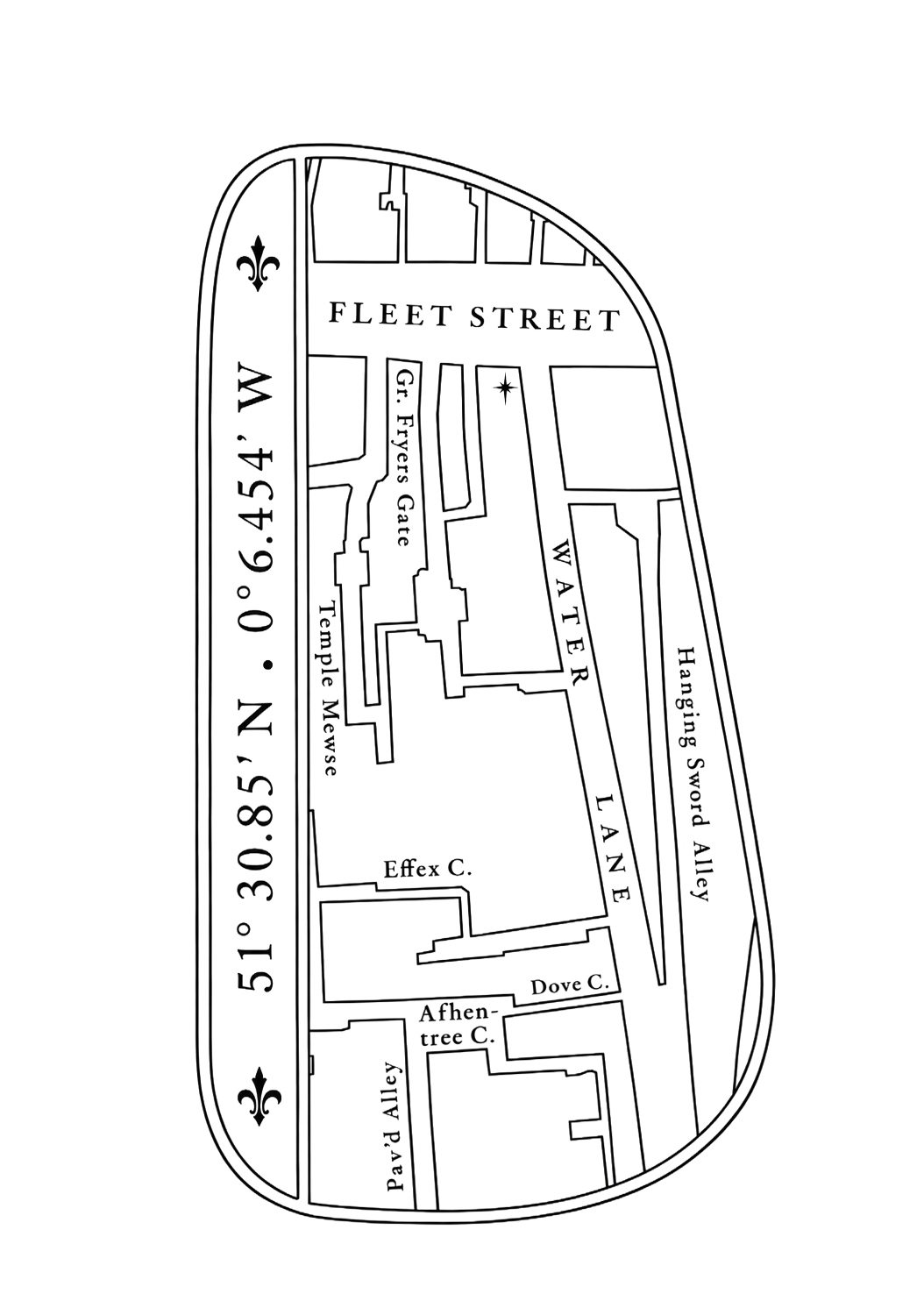
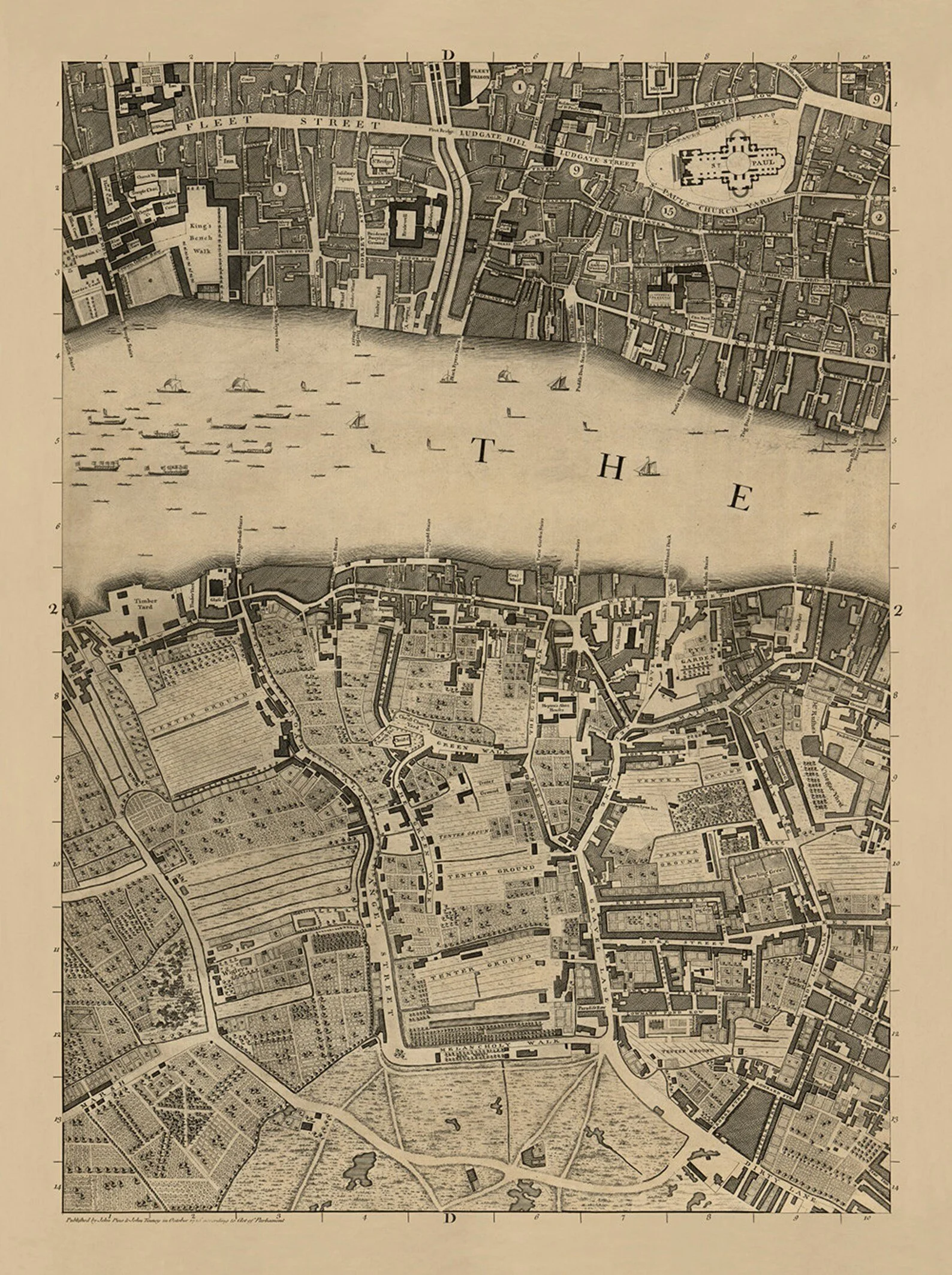
The story eventually leads back to where it began. On the corner of Fleet Street and Water Lane stood the Dial and Three Crowns workshop, inherited from Thomas Tompion and occupied by Graham until 1720.
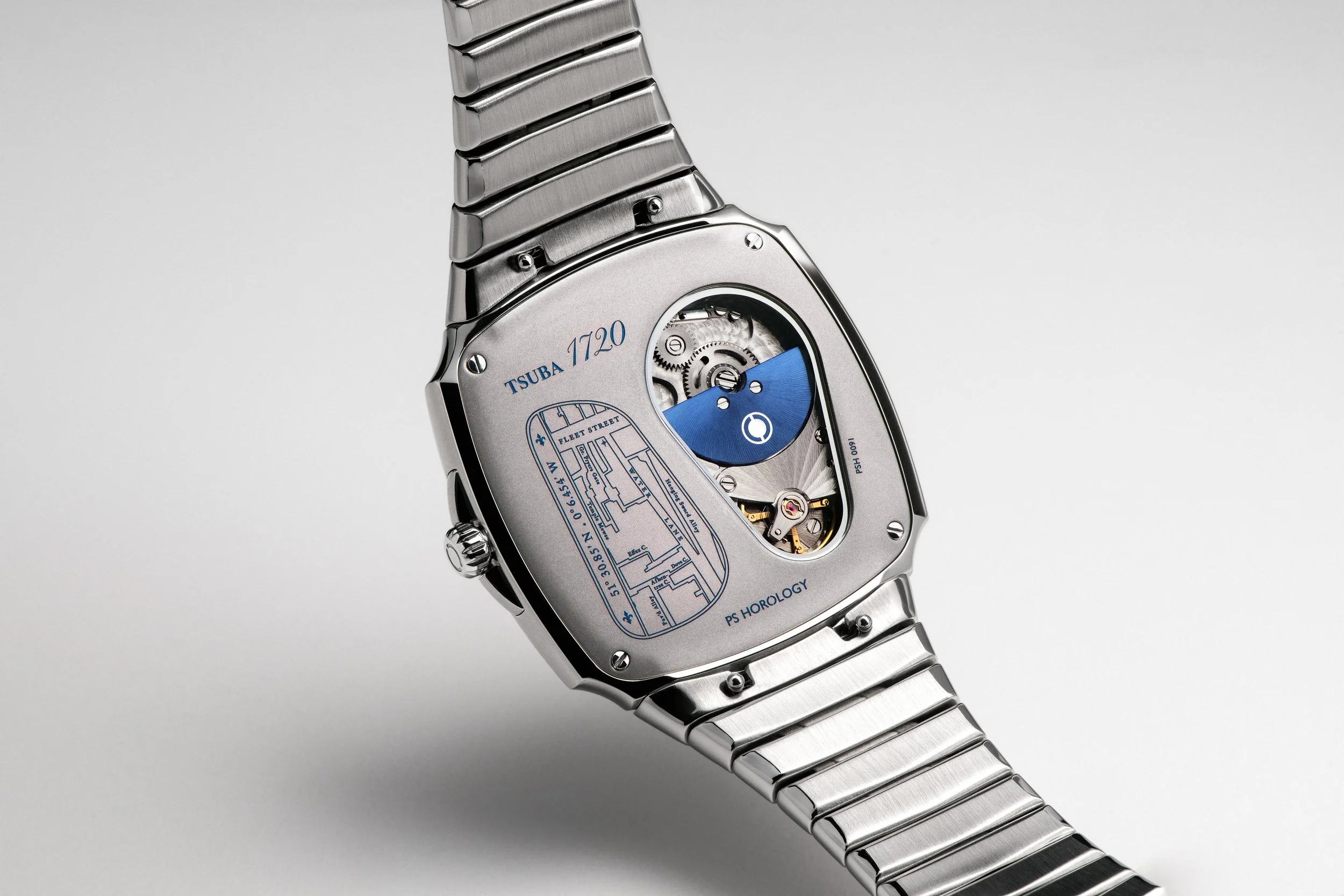
Three centuries later, that very location is inscribed into the Tsuba 1720, its historic streets and geographical coordinates engraved on the case back. A quiet signature of place, connecting the watch on the wrist to the streets of London where its story began.
Tsuba 1720 - the film
Technical specifications
-
Made in Switzerland from 316L stainless steel.
Front and back glass made from sapphire and water resistant to three atmospheres.
Case measures 38.3mm (from 3 to 9 o’clock across the case excluding winding crown) and 8.91mm thick.
-
Made by Vaucher Manufacture in Fleurier, Switzerland, calibre 5401 with micro-rotor, automatic.
Measures 2.60 mm in thickness and 30.00 mm (13 ¼”’) in diameter.
Number of components is 176, and number of synthetic jewels is 29 with a personalised tungsten micro-rotor turning on a ceramic ball race.
Power reserve 48 hours, and balance wheel is free-sprung.
Balance frequency 3 Hz (21.600 A/h).
-
18k gold hand finished dial.
Roman numerals lacquered by hand.
-
Upgraded stainless steel bracelet with redesigned construction allowing the first links to pivot directly from the case for improved ergonomics and comfort.
A concealed link-adjustment system creates a cleaner more refined appearance, complemented by a butterfly deployant clasp with push-button release.
-
Available from PS Horology, Switzerland.
Limited to 28 pieces.